
What Is a Mortise Lock — and Why Do So Many New Paltz Homes Still Have Them?
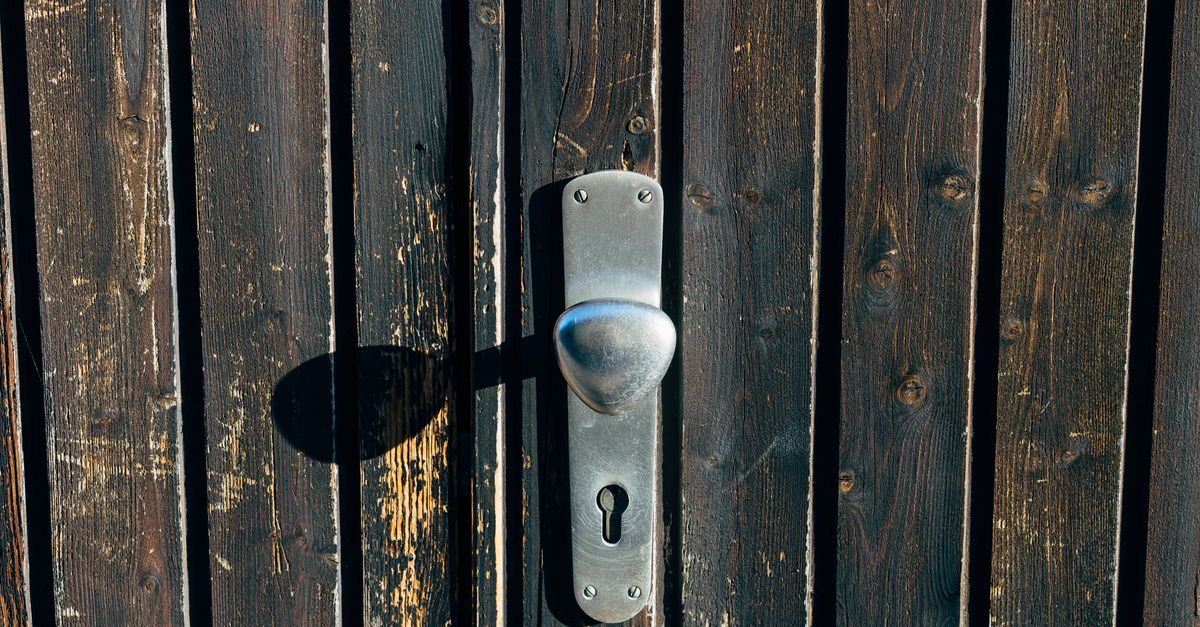
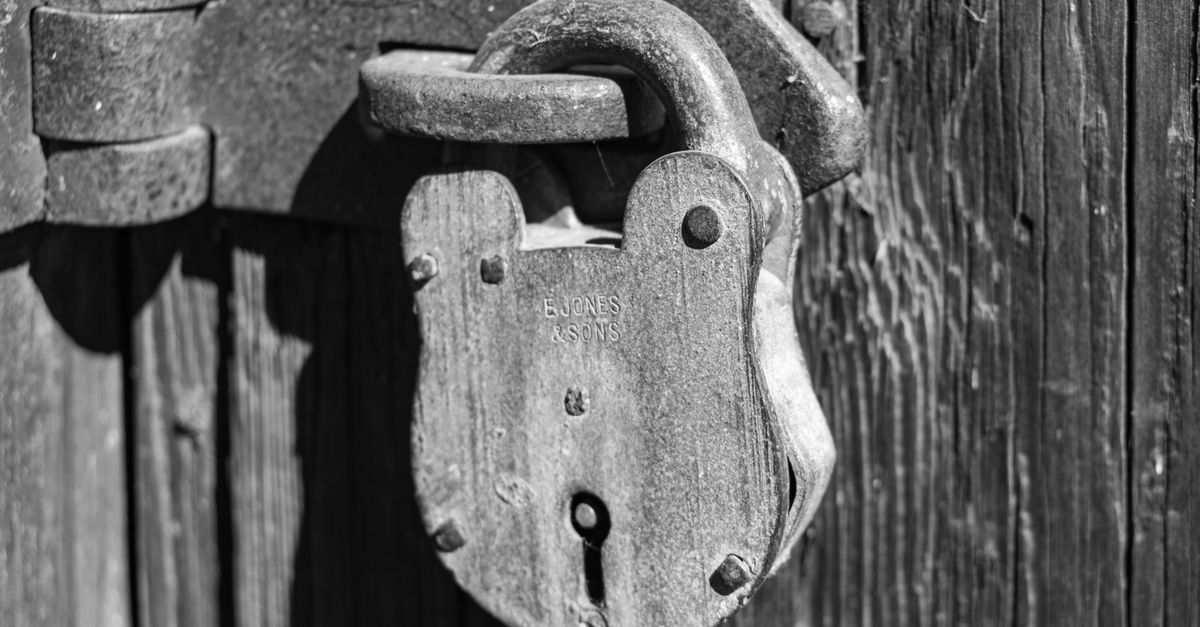
A mortise lock is a self-contained lock body that slides into a rectangular pocket routed into the door's edge. Unlike a cylindrical lock that mounts through a simple bored hole, a mortise lock houses the latch, deadbolt, strike mechanism, and sometimes a privacy knob or lever — all in one integrated case. That density of function is exactly why builders fitted them in nearly every pre-1960s home and commercial building in the region. Walk through the Village of New Paltz Historic District or past the older Victorian and Colonial Revival properties along Huguenot Street, and you're looking at doors that have had the same mortise lock bodies keeping families secure for generations.
The trade-off for that durability is mechanical complexity. A mortise lock set contains a handful of small springs, cams, and levers that wear down over decades of use. Common failure points include: a latch that no longer snaps back, a deadbolt that binds mid-throw, a mortise lock cylinder that spins freely because the set-screw has backed out, or a cracked lock body where the casting has fatigued. Forcing a worn mortise lock or attempting a DIY repair with the wrong tools can widen the mortise pocket and compromise the door stave — damage that's expensive to fix and that can't be undone. Our technicians diagnose the exact failure before touching anything, and we work damage-free wherever mechanically possible.